Solar thermal energy delivers energy sovereignty to industry
ALTO takes care of the entire project lifecycle, from study to operation, and supplies heat via a long-term contract. The industrial client only pays for heat at a stable price over 20 to 25 years
20 gCO₂/kWh for solar heat · 240 gCO₂/kWh for natural gas
Sources : NREL & EDF (concentrating solar heat) · ADEME (natural gas)
From food & beverage to chemicals, ALTO supplies concentrating solar heat where your process needs it - between 100 and 500°C, as a direct replacement for fossil-fuel boilers, dryers and furnaces
Hover over a sector to discover the thermal processes where solar heat applies directly
Select a sector on the wheel to discover the industrial thermal processes where ALTO solar heat applies directly
From 1.5 MW to 30 MW, the plant integrates into existing infrastructure with no operational disruption
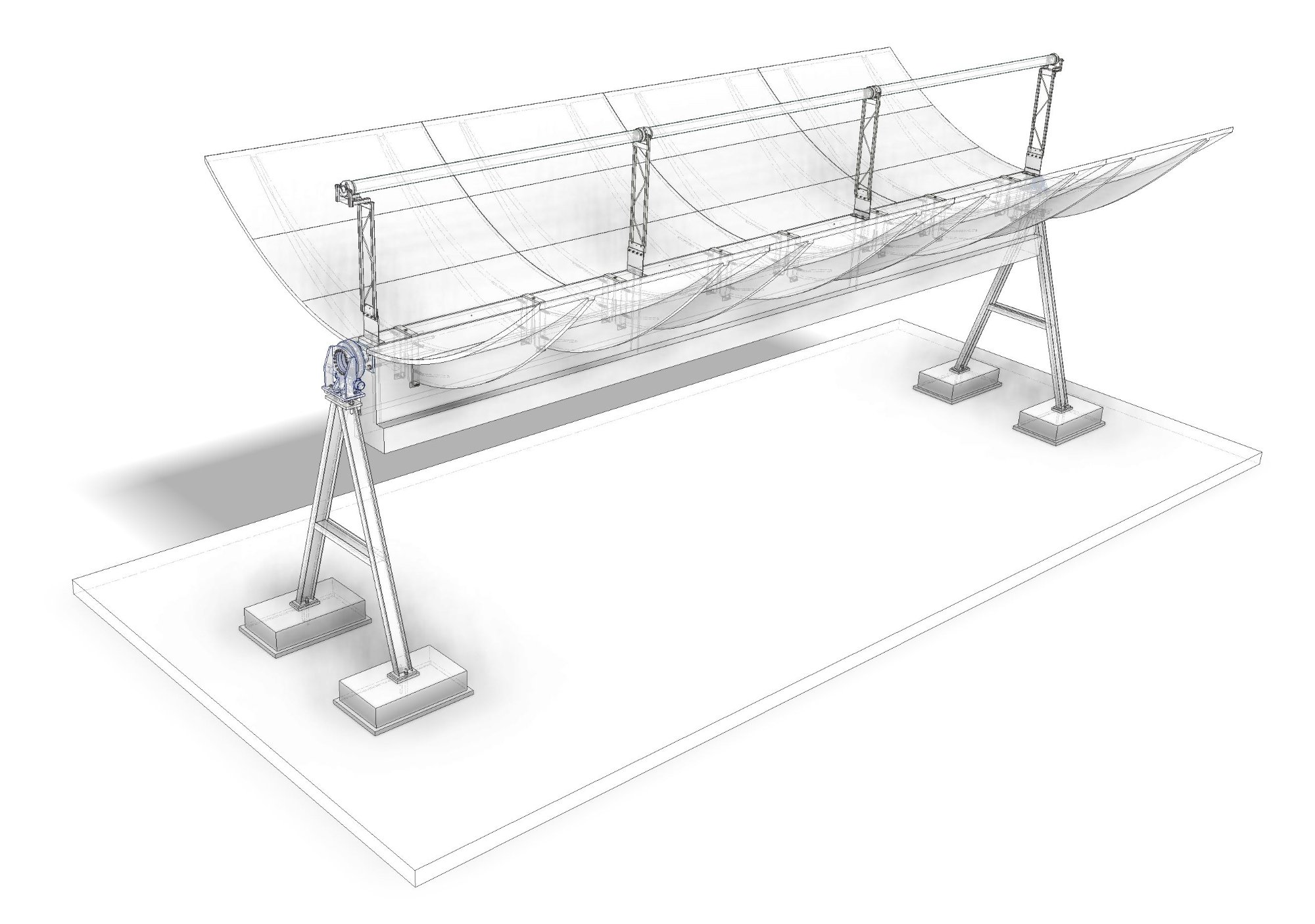
Concrete parabolic trough collectors, mirror-covered, that concentrate solar radiation on a tube through which heat transfer fluid flows and is heated up to 500°C
Heated up to 500°C by the troughs, the heat transfer fluid flows to thermal storage, then through the heat exchanger that delivers heat to the plant process loop
Concentrating solar heat is one of the natural answers - storable, predictable, competitive
We are building a pipeline of about 30 MW or €40M across multiple sectors, in France and Spain, split across 5 projects. About twenty additional projects are at the preliminary stage, in food & beverage, chemicals, paper, textile and construction materials
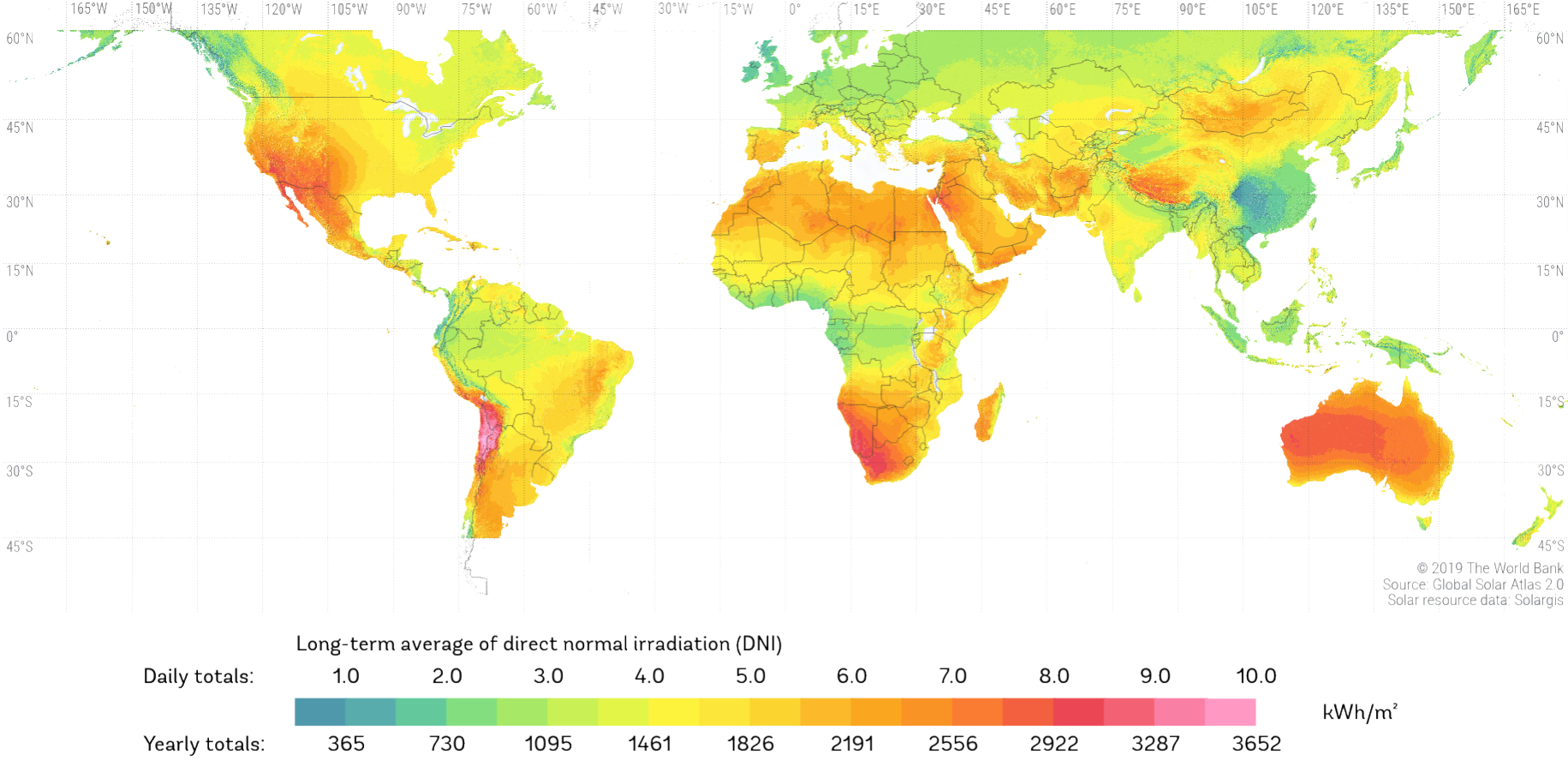
France and Spain form our entry market - sunshine, industrial maturity, regulatory framework and decarbonization commitments come together there
ALTO is deploying its founding projects - we select them with care. Each industrial partner co-builds tomorrow’s tool with us and benefits from preferential entry conditions
Three representative projects from our pipeline - varied sectors and sizes:
We aim to secure our long-term steam supply without tying up capital. The ALTO model fits this constraint exactly - it’s as strategic a decision as it is environmental
ALTO & its plants
Industry & thermal landscape
Concentrating solar
Contracting
Operation & maintenance
Glossary
All powers (kW, MW) and energies (MWh, GWh) mentioned on this site refer to thermal heat, unless clearly stated otherwise.
HPA: Heat Purchase Agreement - long-term heat purchase contract (thermal equivalent of the PPA) ·
PPA: Power Purchase Agreement - long-term renewable electricity purchase contract (model analogous to HPA) ·
EPC: Engineering, Procurement & Construction - contractor in charge of design, procurement and construction ·
SPV: Special Purpose Vehicle - dedicated legal entity for each plant ·
CAPEX: Capital Expenditure - upfront investment costs (structure, mirrors, installation) ·
OPEX: Operating Expenditure - ongoing operations and maintenance costs ·
CSH: Concentrating Solar Heat (distinct from CSP which produces electricity) ·
DNI: Direct Normal Irradiance - direct solar radiation, key sizing parameter ·
TMY: Typical Meteorological Year - typical year built from 15-20 years of measurements, basis for sizing ·
TTF: Title Transfer Facility - reference natural gas index in Europe (Dutch hub) ·
ETS: Emissions Trading System - European emissions allowance trading scheme (EU ETS) ·
EUA: European Union Allowance - individual carbon allowance tradable in the EU ETS ·
CEE: French Energy Saving Certificates - French scheme requiring energy suppliers to finance energy efficiency actions ·
GAPD: French autonomous on-demand guarantee - irrevocable bank guarantee
Calibration sources
The simulator combines values fetched live (updated on each use) and values calibrated annually, drawn from eight public sources.
For the wholesale gas price, the simulator fetches live the 12-month rolling average of the TTF (Title Transfer Facility, Dutch hub quoted on ICE Endex). For the carbon market, the 12-month rolling EUA price is fetched from primary sales on EEX (European Energy Exchange).
For the transport and commercial margin components of the industrial pre-tax price, the simulator relies on the Eurostat nrg_pc_203_c dataset (Gas prices components for non-household consumers, published twice yearly by DG ENER) and the annual Market Monitoring Report from ACER (Agency for the Cooperation of Energy Regulators). For France, the CRE quarterly retail market observatory (Commission de régulation de l’énergie, French energy regulator) serves as a complementary reference.
For taxes, the simulator uses for France the official TICGN from the French Customs Code (article L312-37 of the CIBS), with an option to switch to the reduced large-consumer rate (article 265 nonies). The emission factor used for the ETS surcharge (0.201 tCO₂/MWh LHV, combustion only) is taken from the French ADEME Base Carbone v23, French reference consistent with the IPCC 2006 guidelines.
See how these sources are combined in the question Why does the gas price in the simulator differ from the TTF ?
Industrial company, investor or partner, contact us and we’ll study your project with care